
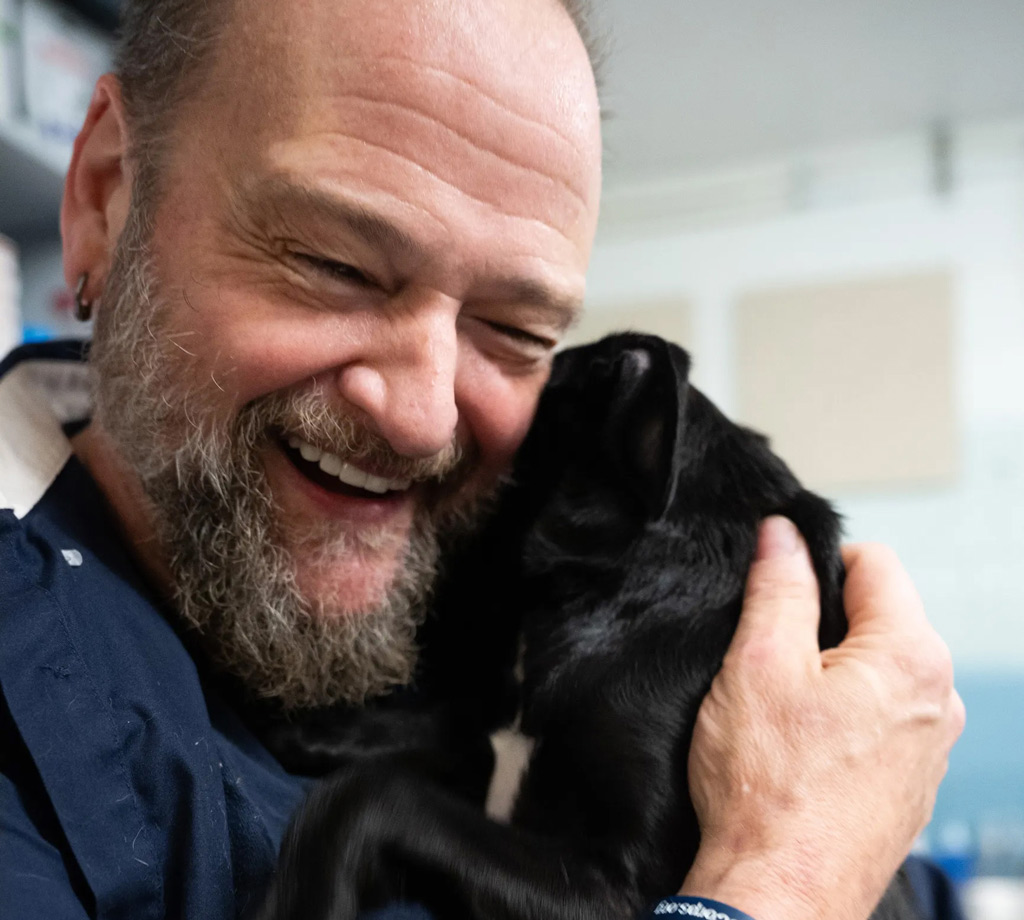
Tim Woodward is the executive director of Animal Rescue Corps (ARC), a national nonprofit devoted to ending animal suffering through direct action, rescue, and advocacy. With a background in nonprofit leadership and a lifelong commitment to animal welfare, he has helped lead hundreds of rescue operations across the country. Widely respected for his compassion and hands-on approach, Woodward has received national recognition, including a 2025 nomination for CNN’s Hero of the Year.
The Eden Magazine had the pleasure of sharing Tim Woodward, a compassionate leader whose life’s mission is rooted in protecting the voiceless and standing on the front lines of animal welfare.
As the Executive Director, Tim has dedicated himself to rescuing animals from cruelty, neglect, natural disasters, and unimaginable suffering, while inspiring communities to embrace empathy and responsibility toward all living beings.
His story is a powerful reminder that humanity is measured by how we treat the most vulnerable among us.
Across the country, from Virginia to Nevada to Kentucky, we’re seeing shelters reach critical capacity. From your perspective, what are the deeper forces driving this national surge, and why is it happening so simultaneously in so many regions?
We are seeing the impact of a few systemic issues colliding, making for a national issue.
One big factor is pandemic-related. There was an early surge in adoption, but at the same time,, spay and neuter services were severely disrupted. Researchers at the University of Florida estimate that pandemic-related cancellations led to a deficit of nearly 3 million spay and neuter surgeries nationwide. That’s a huge number, especially when you think of the exponential impact.
Parallel to that is also a veterinary shortage crisis in the United States. Mars Veterinary Health estimates that by 2030, we may see a shortage of up to 24,000 companion animal veterinarians.
These issues are further compounded by a severe housing shortage and stubborn inflation in the United States. This means that many people cannot afford pet-friendly housing or are forced to move into places with size or breed restrictions. This is why we see big dogs, especially, impacted by this “perfect storm,” which is affecting companion animals and shelters across the country.
Economic hardship is increasingly cited as a reason families are surrendering their pets. What patterns are you seeing on the ground, and how is this reshaping the relationship between people and their animals?
Animal Rescue Corps serves under-resourced communities, so many of the patterns now being seen nationwide are familiar to us. They’ve been common in areas that have faced historic economic hardship.
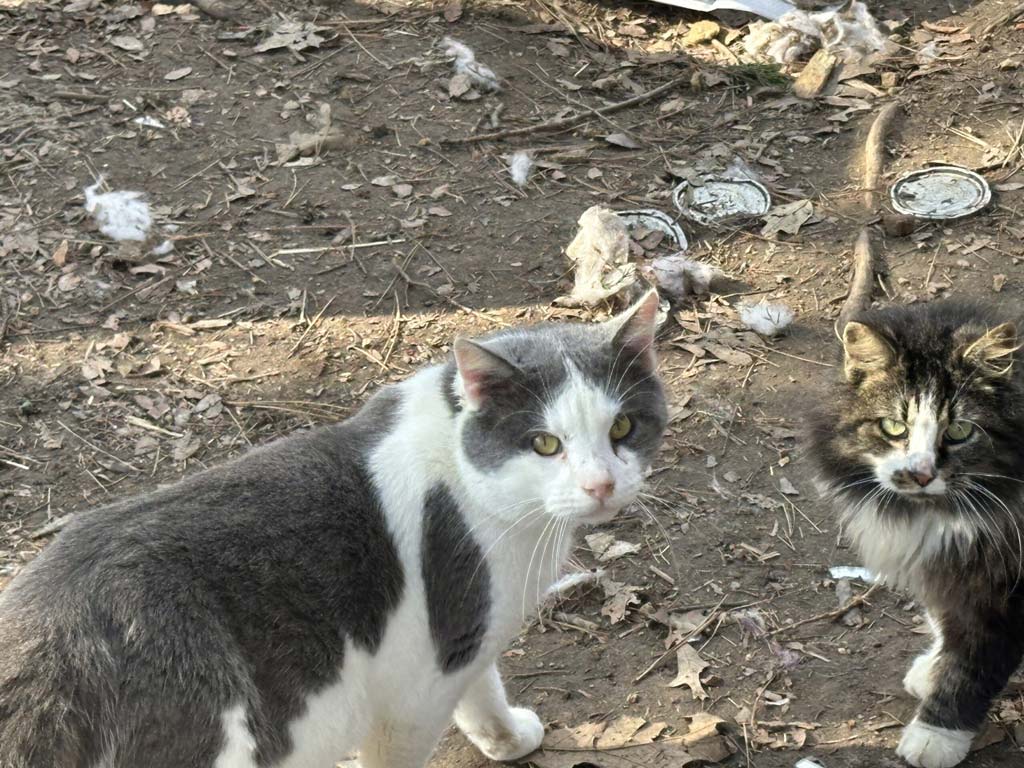
I think of a recent rescue, Operation Comfort & Joy, which took place this past December in Carter County, Missouri. A retired teacher named Ted was living in a dilapidated trailer, without basic amenities like running water or electricity. Yet, despite his own struggles, Ted cared for dozens of dumped and homeless animals, desperately trying to fill a gap left by the lack of shelter infrastructure in his community.
It was an impossible task, of course. The animals suffered from neglect, treatable illnesses, and uncontrolled reproduction. But Ted wasn’t a hoarder. He wanted help. He knew the animals needed more help than he could provide. There simply wasn’t any help available in his community. Ted was the only lifeline these animals had, and Ted needed a lifeline of his own, too.
In this case, a local Good Samaritan alerted Animal Rescue Corps. We were able to deploy at the first possible opportunity, which was Christmas Eve, and rescue all of the animals he was caring for, except for his beloved elderly tripod dog. We ensured she received all the medical and physical care she needed and could stay by his side.
Additionally, through this rescue, awareness about Ted’s compassion and selflessness spread, and a fundraiser for him by the same community member who contacted ARC raised more than $50,000 to help Ted get basic necessities and a fresh start of his own.
Ted’s story is a good reminder: in many cases, animal suffering doesn’t stem from a lack of compassion but from a lack of resources.
Many shelters are now facing heartbreaking decisions, including the possibility of euthanasia due to a lack of space. How are rescue organizations like Animal Rescue Corps navigating these emotional and ethical challenges?
These decisions are among the hardest parts of this work. Open-intake shelters are often criticized, but they exist to take in every animal. In many ways, they mirror the resources and the realities of the communities they serve, which isn’t always easy to confront. The people working in open-intake shelters carry a big emotional burden and responsibility for their entire communities.
On the flip side, an equally problematic alternative can be long-term warehousing. In February, during Operation Broken Ties in Arkansas, we rescued 51 dogs from a failed rescue. Some of the dogs had spent their entire lives in outdoor pens. One dog, Yoshi, had been there since January 2015. He had old scarring and broken teeth and had spent years waiting for a home that never came. Within a month of his rescue by ARC, he was placed in a high-adoption shelter in Illinois, where his chances of finding a home have skyrocketed.
At the ARC Rescue Center located outside Nashville, Tennessee, we are seeing longer shelter stays than in the past. Thanks to the support of our caring donors, we’re adapting by investing in infrastructure, including renovated cat habitats, expanded dog play yards, and expanding the volunteer program to meet the physical and social needs of a longer-stay population.
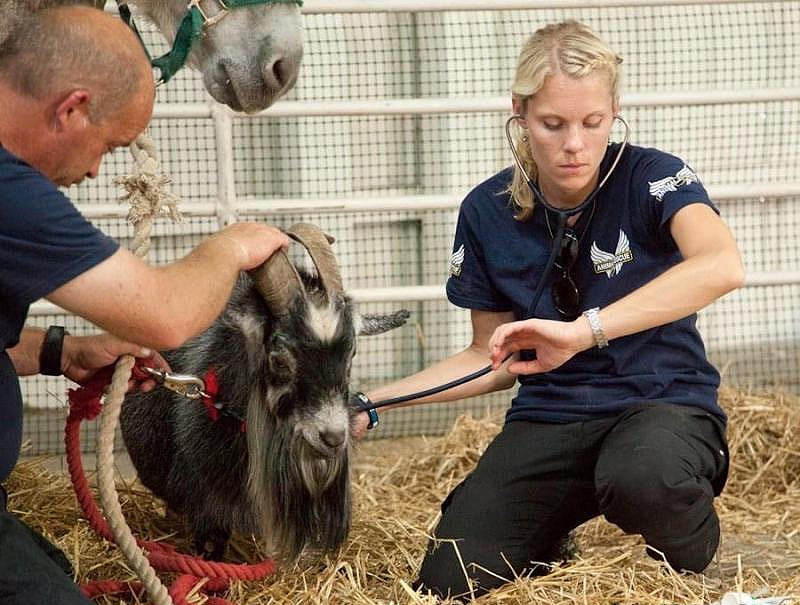
Nationally, Animal Rescue Corps has stepped in to relieve some of the pressure on under-resourced shelters. First and foremost, we respond to large-scale situations such as hoarding, puppy mills, and disasters, relieving the need for significant shelter space in affected communities. This is especially true in cruelty cases where animals may be held for weeks or months during legal proceedings.
We also relocate high-risk animals from overcrowded shelters to areas with greater adoption demand. For many animals, location really is everything, including the difference between life and death. The reality is that these tough euthanasia decisions are more often than not a direct result of very large systemic human issues. And ultimately, animals are the ones who pay the highest price.
For individuals who feel overwhelmed by the scale of this crisis, what are the most impactful and immediate actions they can take today to help—beyond adoption?
Adoption is vitally important, but there are many other ways an individual can help.
One of the most powerful ways to make a difference is to engage with a nonprofit helping animals. Nonprofit organizations like ARC exist to fulfill a mission and are simply tools that help many passionate
donors and volunteers unite to make an outsized difference for a shared cause. The whole is bigger than the sum of its parts, and together we can do greater things.
Donating is among the most powerful ways to help animals. Many of the issues animals face are resource-related. So, financially supporting trusted organizations that protect and serve animals is a lifesaving act.
Fostering is also a critical way to help. It frees up space in shelters and helps animals transition successfully into permanent homes. Volunteering, whether locally or with organizations like ARC that respond to large-scale crises nationally, is another meaningful way to help.
Beyond that, supporting pro-animal legislation is crucial. Take the time to talk to your elected officials and advocate for humane policies to create lasting change. It’s morally correct to extend compassion to all animals, but it’s also fundamentally pro-human. Animals enrich our lives and communities in countless ways. Being good stewards of animals helps us be better stewards of one another. Conversely, unaddressed cruelty, suffering, and neglect degrade any community even beyond the impact on the animals, often deeply affecting anyone who is witness to or aware of the situation.
And, of course, simply saying something and reaching out when there is an animal problem in your community can go a long way. Look at what happened during Operation Comfort & Joy in Missouri. One person noticed Ted and the animals’ dilemma and changed the lives of every single person and animal involved.
This crisis seems to highlight deeper systemic gaps in animal welfare nationwide. What long-term solutions or policy changes do you believe are essential to prevent shelters from reaching this breaking point again?
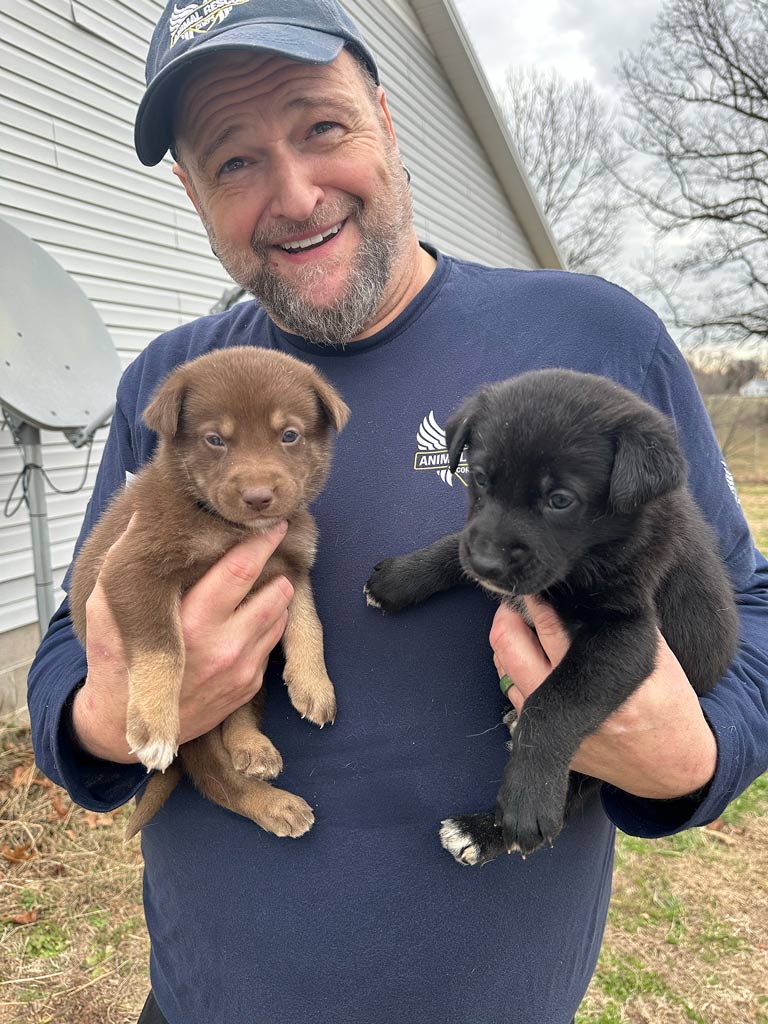
It’s important that more communities are aware of and utilize resources like Animal Rescue Corps. ARC was founded in 2010 to address a neglected need: managing and supporting mass rescue efforts in which large numbers of animals are suffering simultaneously.
Many communities struggle to help even a single stray animal. When cases involve dozens or hundreds of neglected animals suffering in a single situation, it can be impossible to humanely address the crisis without outside support. ARC provides the personnel, equipment, and expertise to respond to these situations, ensuring animals are safely rescued and placed through our vetted network of placement partners.
To donate and support Animal Rescue Corps, please visit
This not only helps the animals directly involved but also allows local shelters to preserve valuable kennel space for other adoptable animals in their communities.
Spay and neuter accessibility is another key solution, and one we know is highly effective. When spay/neuter services are accessible and used, intake numbers go down.
There are also policy tools that can make a real difference, such as requiring spay and neuter for adopted animals, strengthening oversight of commercial breeding, expanding programs like trap-neuter-return for community cats, and implementing measures like temporary moratoriums on new breeding permits, similar to the one enacted by the Los Angeles City Council in 2024.
Expanding the scope of practice for credentialed vet technicians and assistants is also a key solution being explored right now to relieve the impacts of the veterinarian shortages.
As someone on the front lines of rescue and a CNN Hero finalist, what gives you hope in this moment—and what message would you like to share with our readers about compassion and responsibility toward animals?
One thing that will always give me hope is the resilience and tenacity of the animals themselves. Often, they have spent most of their life in situations of horrific suffering or abuse. Watching them come back from hopelessness and seeing those individual moments in the beginning, maybe the first wag of a tail, the first purr or head bump, the first deep and peaceful sleep, the first time the sense of play comes back – those moments and all the “happily ever afters” sustain me.
And the caring humans we encounter also give me hope. Here at Animal Rescue Corps, we often say that we see the worst of humanity—in those who abuse and neglect animals—but also the best. The people who show up to help, donors, volunteers, whistleblowers—the people who see suffering and don’t look away but who help stop it. These people give me hope that a better world is not only possible, but also probable.
I often come back to a Martin Luther King Jr. quote that resonated with our team when we named ARC: “The arc of the moral universe is long, but it bends toward justice.”
The arc doesn’t bend on its own. We need to do the bending. But if anyone can do it, it’s animal advocates. They are some of the most dedicated, bright, and determined people I know. That’s why ARC’s tagline is “compassion in action.”
Compassion is a practice that radiates from each of us, and its potential is most amplified when we work with others for a greater purpose. We each can do something meaningful to help animals from where we are, using the tools and resources we have. Collectively, we can change the world for animals.