A Celebration of National Senior Citizens Day
Every August 21st, we get a gentle reminder to slow down and appreciate something truly valuable: the older adults who’ve shaped our world. National Senior Citizens Day isn’t just another date on the calendar; it’s a chance to recognize the people whose stories, sacrifices, and hard-won wisdom continue to guide us.
Think about the seniors in your life. Maybe it’s a grandmother who still remembers rationing during World War II, or a neighbor who taught you how to grow tomatoes. Perhaps it’s a mentor who worked their way up in an industry you hold dear. These are the people who lived through history we only read about, and their experiences are walking libraries of knowledge.
President Ronald Reagan established this day in 1988, recognizing the need for an official moment to pause and say “thank you” to the generation that built much of what we enjoy today. But in 2025, this day carries an even deeper invitation, not just to honor seniors, but to actively support the quality of their lives. Because growing old is not a decline to be managed. It’s a privilege to be celebrated and planned for with intention.
More Than Gratitude: The Call to Champion Senior Health
National Senior Citizens Day isn’t a finish line; it’s a reminder that honoring the older adults in our lives is an everyday practice, not a once-a-year
gesture. This May, during Older Americans Month, the theme “Champion Your Health” echoed through communities nationwide, and its urgency doesn’t fade come August 21st. If anything, it sharpens. The call is clear: aging well is less about reacting to crises and more about proactively shaping how our later years unfold, with dignity, clarity, and choice intact.
Too often, families only spring into action when a parent or loved one suddenly needs care, scrambling to make medical, financial, and legal decisions without truly knowing that person’s wishes. The chaos isn’t born of indifference. It’s born of avoidance, the very human tendency to postpone hard conversations until they become unavoidable emergencies.
For three decades, elder care advocate Princella Seymour, founder of Complete Elder Solutions, has witnessed this pattern firsthand. Her work transforms that confusion into clarity, helping families navigate one of life’s most complex chapters with grace rather than panic. The difference, she has found, almost always comes down to preparation.
“Aging well doesn’t mean doing everything alone,” Seymour says. “Families perform best when roles are clear, and the elder’s dignity guides decisions.”
Championing senior health, then, isn’t only about supplements or doctors’ visits. It’s about having the conversations now, about wishes, about care, about what a good life looks like in its later chapters. It’s about building systems before they’re urgently needed, and treating the seniors in our lives as the architects of their own aging, not passengers in it.
That shift in perspective may be the most meaningful gift we can offer on National Senior Citizens Day, and every day after.
The Science of Aging Well Starts Smaller Than You Think
When we imagine vibrant seniors, the ones who garden into their eighties, travel into their nineties, or simply wake each morning with clarity and purpose, we might credit good genes or good luck. But science tells a more nuanced story, and it begins at the cellular level.
Our bodies are composed of trillions of cells, and their ability to function, repair, and communicate with each other is the true cornerstone of healthy aging. One of the most overlooked factors in this equation? The balance between Omega-6 and Omega-3 fatty acids.
Research consistently shows that between 95 and 99 percent of the population is out of balance in this critical ratio. The Western diet, rich in processed foods loaded with Omega-6s and low in the Omega-3s found in fatty fish, creates a condition where the body responds with chronic, low-grade inflammation, quietly undermining cellular health for decades.
EPA, one of the key Omega-3 fatty acids, supports heart health and immune function. DHA is critical for brain health and cognitive performance. Together, they don’t just add years to life, they add life to years.
But not all Omega-3 supplements are equal. Fish can accumulate environmental contaminants, and poorly refined fish oils may carry traces of mercury and other toxins. This is where quality matters enormously. Scandinavian health company Zinzino, which has analyzed over 1.2 million tests worldwide, has built its approach around test-based, personalized nutrition, showing individuals exactly where their balance stands before prescribing any solution.
The takeaway for seniors and their families: don’t guess. Test. Then act with intention.
The Gut-Brain Connection: A New Frontier in Elder Wellness
Another frontier in senior health that deserves our attention is the gut microbiome, the vast ecosystem of bacteria living in the digestive system that influences immunity, inflammation, and even mood and cognition.
As we age, simple shifts in diet, medication use, and reduced mobility can alter gut balance in ways that affect energy levels, nutrient absorption, and immune resilience. The good news is that baseline gut health testing can now be done from home, providing a data-driven starting point for seniors and their caregivers.
Dr. Colin Robertson, Chief Product Officer at Zinzino, describes it compellingly: the gut acts as a kind of lifestyle compass, reflecting our internal health and empowering targeted changes that support a stronger, more resilient body. For older adults, this kind of personalized insight, rather than generic supplement recommendations, can be genuinely transformative.
Pair that with a fiber-rich diet to support microbiome diversity, regular hydration, and mindful reduction of ultra-processed foods, and you have the foundation of an aging strategy that works from the inside out.
Purpose Is Medicine: The Power of Giving Back
Physical health is only part of the equation. Ask any gerontologist what separates those who thrive in their later years from those who merely survive, and they’ll point to something harder to measure than cholesterol levels or gut microbiome scores: a sense of purpose.
Volunteering, being part of something bigger than oneself, is one of the most potent longevity tools available to older adults, and it costs nothing. Research has consistently linked volunteerism among seniors to lower rates of depression, reduced cognitive decline, stronger immune function, and a longer life. When we give our time and experience to others, we receive something profound in return: the reminder that we still matter, that our presence changes things, that the story isn’t over.
Shannon Walker, founder of Northwest Battle Buddies, a nonprofit that gifts trained service dogs to veterans struggling with PTSD, has built her organization on exactly this kind of intergenerational exchange of purpose. And she has seen, up close, what happens when people of any age step into something larger than themselves.
“When you give your time to a cause that genuinely needs you, something shifts internally,” Walker says. “You stop thinking about your own limitations and start thinking about what you can still offer. That shift is everything. It’s healing. I’ve watched volunteers in their seventies and eighties come alive in ways their families hadn’t seen in years, because they felt needed again.”
Walker’s work at Northwest Battle Buddies sits at a powerful intersection: veterans, many of them older Americans themselves, receiving the companionship and stability of a trained service dog, supported by a network of volunteers who understand duty, sacrifice, and showing up for one another. It is, in many ways, a model for what communities can look like when multiple generations lean into purpose together.
For seniors wondering where to begin, the options are as varied as human experience itself. Tutoring children in reading. Delivering meals to homebound neighbors. Mentoring first-generation college students. Fostering animals between placements. Sitting with veterans who simply need someone to listen. The specific cause matters less than the act of showing up consistently for something beyond oneself.
“It doesn’t have to be dramatic,” Walker adds. “It just has to be real. Show up. Be present. Let someone know they’re not alone. That’s the whole thing.”
Caring for Caregivers: The Invisible Heroes of Senior Life
National Senior Citizens Day is also, quietly, a day to acknowledge the millions of family caregivers who make dignified aging possible. These are spouses, adult children, siblings, and friends who coordinate medications, attend appointments, prepare meals, and provide the kind of steady, loving presence that no facility can fully replicate.
Caregiving is an act of love. It is also exhausting, and it deserves better systems.
Seymour offers three pragmatic pillars for families navigating this terrain. First: create a clear, simple care plan. Document daily routines, medication schedules, emergency contacts, and responsibilities. A shared calendar, digital or physical, prevents gaps and reduces friction. When everyone can see the plan, care becomes more consistent and less stressful.
Second: normalize asking for help. Caregiving should never be one person’s sole burden.
Rotate tasks across family members, lean on neighbors, faith communities, and local services, and use respite resources to prevent burnout. Accepting help isn’t a weakness; it’s the sustainable stewardship that keeps both elder and caregiver well.
Third, and perhaps most importantly: prioritize the senior’s dignity and personal preferences. Ask them what matters. Their routines. Their food. Their privacy. Their relationships. Small choices, keeping familiar objects nearby, maintaining consistent caregivers, honoring personal rituals, reinforce identity and provide calm during life’s inevitable transitions.
Mental Wellness: The Permission to Rest
In a culture that prizes productivity above almost everything else, older adults are sometimes left feeling that slowing down is a form of failure. National Senior Citizens Day is a powerful counter-narrative: rest is not earned laziness. It is a biological necessity and hard-won wisdom.
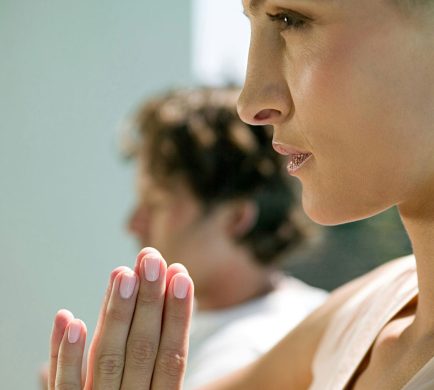
Wellness coach and meditation expert Jackie B Grice puts it plainly: “You’ve earned the right to rest. Breathwork and short meditations can transform a stressful moment into a reset.”
The micro-practices she recommends are beautifully accessible. Five minutes of box breathing in the morning, inhaling for four counts, holding for four, exhaling for four, holding for four, can measurably lower heart rate and ease anxiety. Gentle chair-based stretches improve circulation without physical risk. A short guided meditation before sleep can ease the mind and support memory consolidation during rest.
For caregivers managing their own stress alongside a loved one’s needs, these same practices offer restoration. Mental wellness is not a luxury. It is the infrastructure on which everything else depends.
What We Can Do Starting Today
Honoring seniors on August 21st doesn’t have to mean grand gestures. Often, the most meaningful acts are the simplest ones.
Call the older adult in your life and ask about a memory, a story you’ve never heard. Help a family member organize that emergency binder that keeps being postponed: the one with medication lists, doctors’ contacts, insurance cards, and advance directives. Sit with a grandparent and let them teach you something they know.
For those doing the deeper planning work, consider a gut health or omega-3 balance test as a practical gift for an aging parent. Talking openly about wishes for care before a crisis makes those conversations urgent. Build the care plan now, while there’s space for thoughtfulness rather than scrambling.
And if you know a senior who seems to be drifting, who has grown quieter, more withdrawn, less like themselves, consider the gentle invitation of purpose. Point them toward a cause. Introduce them to a volunteer coordinator. Share Shannon Walker’s simple truth: showing up for something real is one of the most powerful medicines we have.
National Senior Citizens Day reminds us that aging is not something that happens to people; it is something people do, with courage and continuity, every single day. Our role is to walk alongside them with knowledge, with resources, and above all, with the kind of reverence their lives have earned.
Growing old is a privilege. Let’s treat it like one.
By Chantelle Cook
Contributors:
Shannon Walker, Founder,
Northwest Battle Buddies
Princella Seymour, Founder,
Complete Elder Solutions
Jackie B Grice, Wellness Coach
& Author
Dr. Colin Robertson,
Chief Product Officer, Zinzino