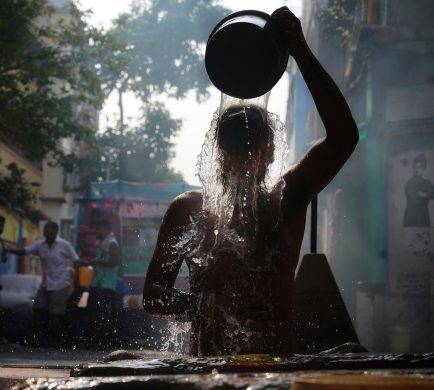
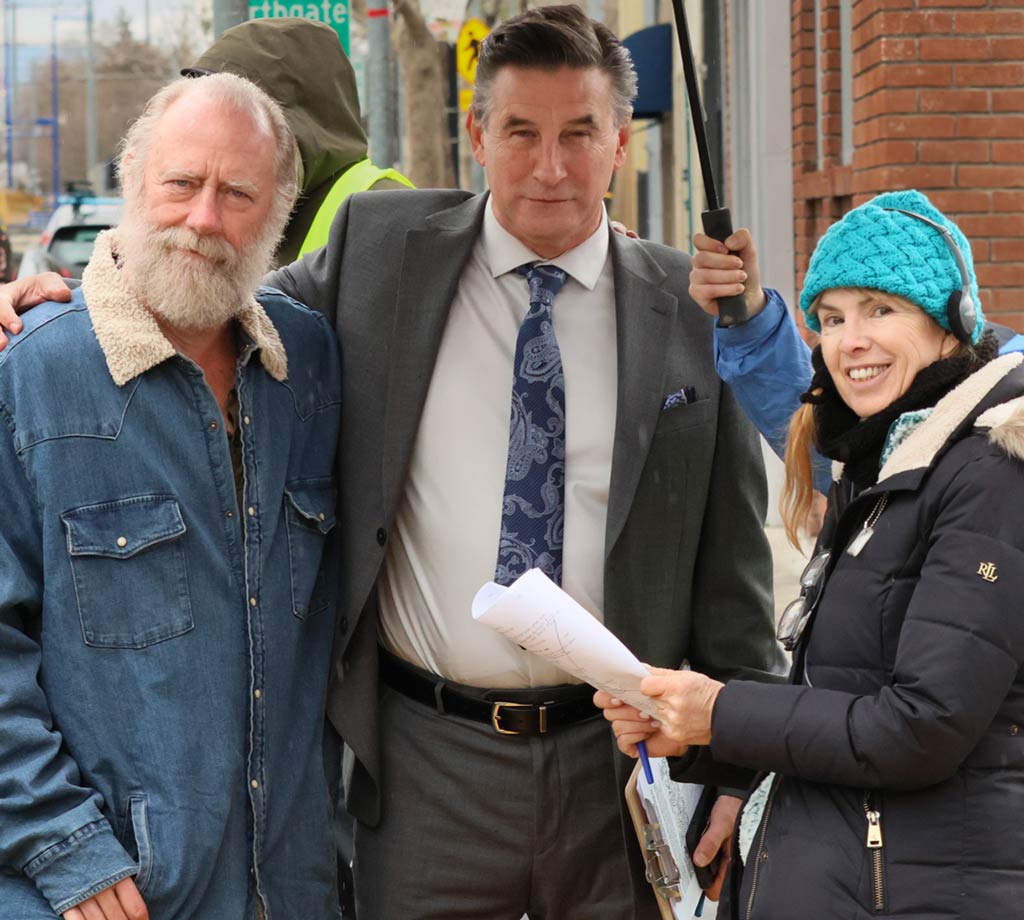
Based in California, Robert Craig Films is dedicated to developing, producing, and creating films that inspire audiences to engage with greater compassion, empathy, and generosity in their communities. Guided by a mission to tell meaningful stories that matter, the company creates impactful films that spark important conversations about pressing social issues and encourage positive change.
One such project is No Address, the story of Lauren a powerful film that sheds light on the realities of homelessness and the challenges faced by vulnerable youth, whose life is upended when her mother dies, and she’s placed into the foster care system. Through authentic storytelling and compelling characters, Robert Craig Films continues to use the power of cinema to foster understanding, inspire action, and remind audiences of our shared humanity.
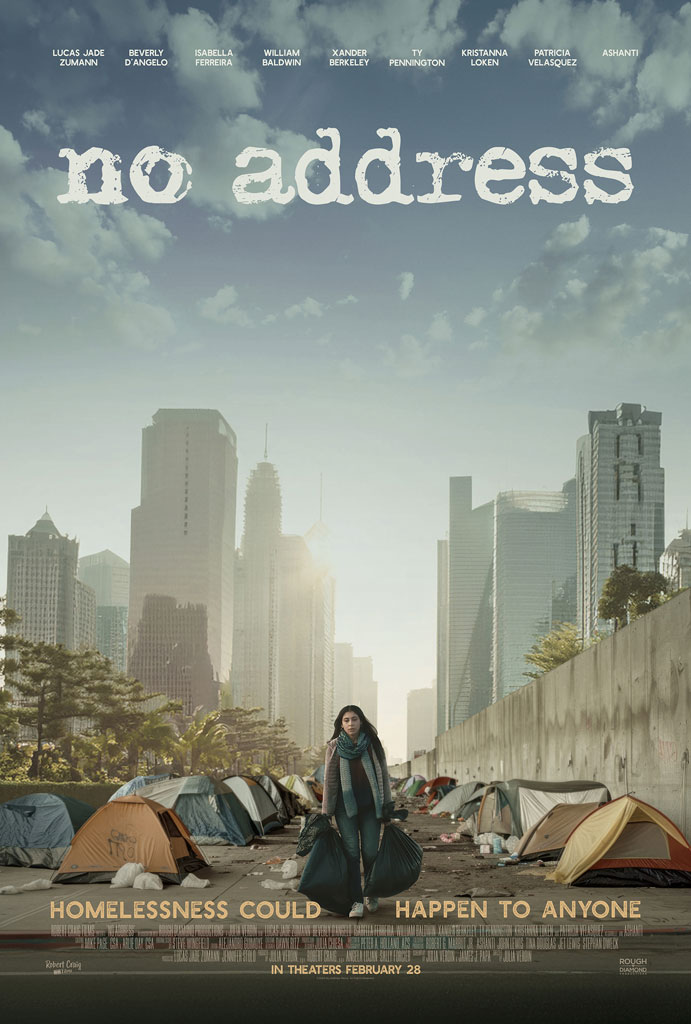
No Address shines a light on the often-overlooked pipeline from foster care to homelessness. What first inspired you to tell this story, and why did it feel urgent to you now?
I have done a lot of volunteer work with foster youth and have heard that many of them end up on the streets after transitioning out of foster care at 18. The stories that I heard inspired Lauren’s story. There is clearly a need to provide good support and life coping skills for foster youth transitioning out of the system, so they don’t fall through the cracks and end up on the streets.
The character of Lauren, portrayed by Isabella Ferreira, represents a reality faced by so many children. How did you approach creating her story in a way that feels both personal and universally relatable?
I think doing a lot of research, talking to people with life experience, and working with foster care when writing a script really helps. Abandonment and rejection are very universal themes. I also found out there is a lot of shame involved. Many people I talked to, both foster youth and others who had experienced homelessness, shared with me the shame and sense of failure they felt about ending up on the streets and having nowhere to go, which stopped them from reaching out for help.
With more than 320,000 children currently in the U.S. foster care system, what responsibility do you feel as a filmmaker when portraying such a sensitive and complex issue?
It is indeed a very complex issue. As a filmmaker, all I can do is make my best efforts to shine a light on one area where support is needed. I am grateful to say that people working in the field who have seen the film really liked it. I will also say that with the foster youth I volunteer with, I have heard some great stories about being placed with really supportive families, and a lot of gratitude for the love and support they were given, too.
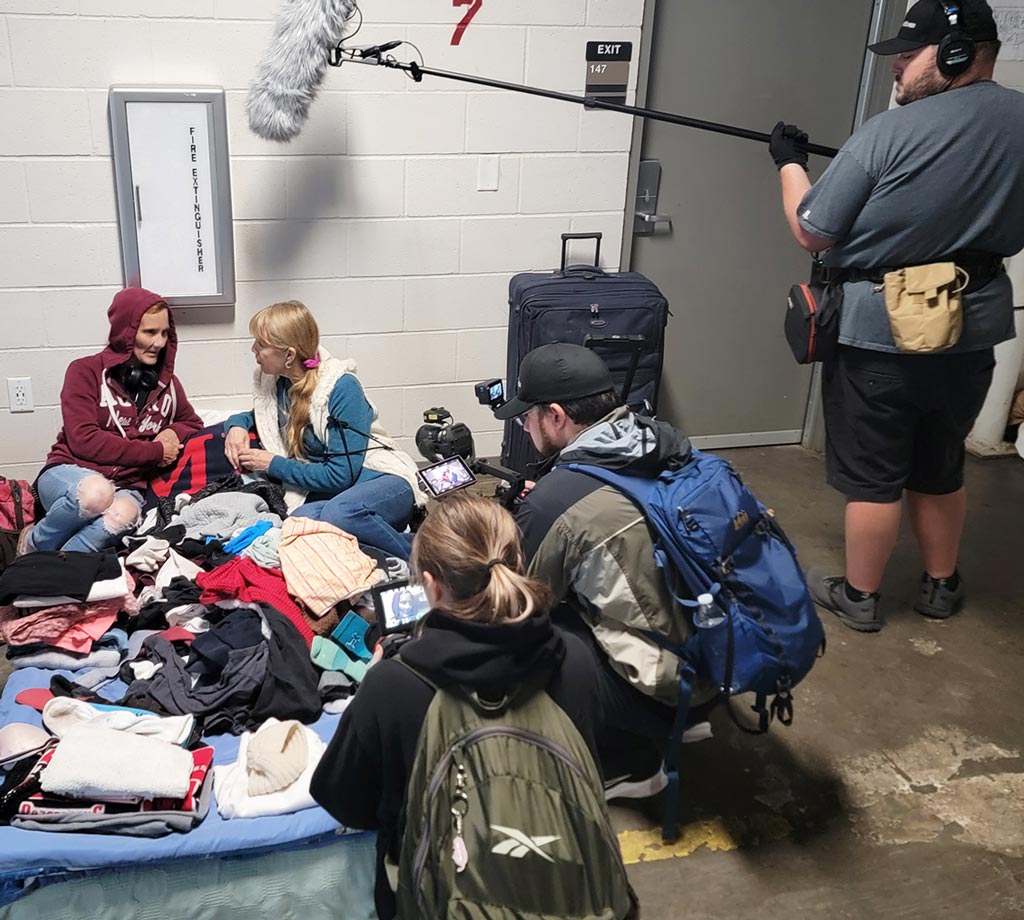
The film has received a 96% rating on Rotten Tomatoes. What kind of feedback from audiences has impacted you the most emotionally or personally?
I have been very touched by the number of people who have come up to me after screenings and shared their personal experiences of homelessness or of having a parent, friend, or relative who experienced it, and felt that the film portrayed the issue and its characters in an authentic and sensitive way. A number of people have also asked for recommendations for organizations to support and ways to help.
No Address explores what happens when young people age out of foster care without support. In your view, what are the most critical gaps in the system that need immediate attention?
I certainly don’t consider myself and expert on this issue, but from that I have seen, starting to give job and life training and skills such as how to apply and interview for jobs, managing your budget and other a year or 2 before youth transition out and then having regular check ins on how they are doing for the first year or two after they transition out would be super helpful.
You’ve assembled a powerful and diverse cast, including William Baldwin, Ashanti, and Beverly D’Angelo. How did their involvement shape the authenticity and emotional depth of the film?
I felt really lucky that such an amazingly talented cast joined me in supporting this project, and they have also really helped to actively promote it. Having a recognizable cast always helps to get a project visible. We also had Lucas Zumann, Isabella Ferreira, Kristanna Loken, Ty Pennington, and Patricia Valasquez in the film.
Beyond raising awareness, the film encourages communities to host group screenings. What kind of conversations or actions are you hoping these screenings will spark at the local level?
I wrote this script as an ode to the people who didn’t deserve to be on the streets and to dispel the common myth that the only people experiencing homelessness are drug addicts and people with mental issues. I hope that the film will spark conversation and action on prevention, if more were done to catch vulnerable people such as foster youth, the elderly, youth running away from abuse at home, and veterans, that would be fantastic. From what I witnessed whilst making the documentary companion piece, Americans with No Address, we also have a mental health crisis in the US and need more treatment facilities. We also need more shelters with alcohol and drug addiction recovery treatment. That way, the public and kids are not endangered by individuals with mental issues or on drugs in their neighborhoods. I don’t believe that anyone ever sets out to be a drug addict or alcoholic. I have talked to many former addicts, and people usually resort to drugs and alcohol as a way of self-medicating after experiencing some type of trauma or pain. It often gets out of hand; they can’t stop, and it becomes a way of life.
On a personal level, did working on No Address change your perspective on foster care, homelessness, or community responsibility?
I met many amazing individuals and organizations doing great work in this area, and that was really inspiring. I think if we can really come together as a society and address this issue with both love and practicality, there is hope. The truth is that we can’t all just turn away and ignore it as the problem keeps growing. It’s also not a one-size-fits-all situation. We need viable solutions where individuals experiencing mental health issues get treatment for that, individuals with drug and alcohol addictions get detox and recovery support, followed by job training. Individuals on the streets via misfortune or escaping from abusive situations are being given appropriate support and job training.
Storytelling has the power to shift perspectives. What do you hope viewers carry with them after watching No Address, especially those who may not be familiar with the foster care system?
I hope it will open people’s hearts and remind them that not everyone experiencing homelessness is a drug addict, has mental issues, or is there by choice. I hope it will encourage people to volunteer and support local organizations working in the field. I also hope it will encourage more mentorship and support for foster youth, youth running from abuse at home, veterans, and the elderly. The number of elderly women ending up on the streets is on the increase. Shame and feeling invisible tend to keep people on the streets; a smile and kindness can go a long way toward helping someone become willing to enter recovery. One of the people I interviewed for the companion documentary said, “Never look down on anyone, unless you are giving them a hand up”.
If you could speak directly to policymakers, community leaders, or individuals who can make a difference, what message would you want No Address to deliver to them? What values or personal experiences most deeply shaped you as a filmmaker, and how do you feel those qualities naturally show up in the kind of stories you feel called to tell—like No Address?
As I mentioned earlier, more facilities and organizations that look at each case on an individual basis and provide shelter, mental health, and alcohol and addiction treatment, job training, and trauma therapy as needed. What seemed to be working well and had a high rate of getting people back to functioning well in society were some of the currently privately funded facilities where this was offered, along with encouragement to find faith and hope. In one place, we visited all the people receiving shelter and treatment, who also had jobs to help keep the facility running, according to their skills. This provided a sense of self-worth, job training, and skill development, and helped keep the facility’s running costs low. The person running the facility had previously experienced homelessness and recovered from addiction. Many of the inhabitants that I talked to said that it had really helped them as they felt understood rather than judged. Being judged tends to keep people in shame and then wanting relief from it, and that often can result in them looking to alcohol or drugs to numb the pain. I was really inspired by all the people I met who had been through these types of programs and were now helping other addicts recover and doing amazing things.
I think all the volunteer work I have done has really helped me develop more compassion and avoid judging.
I have also been through trauma myself and have now been sober for 27 years, and the personal recovery work I have done has really shaped me as a filmmaker in terms of how I want to use my voice and use the skills I have to try to be of service, inspire, and uplift, and look at how I can contribute and use my voice for good.
I will say that I don’t consider myself an expert in anything. As a filmmaker, all I can do is to use my voice to highlight stories and issues that have moved and affected me. How people view a film is always subjective. I just do my best to do as much research as I can and then get feedback from people with lived experience and experts in the field, so all is depicted as authentically as possible.
My next project, The Killing Machine, has a goal of raising awareness of the fentanyl crisis, as I was really shocked by what I saw happening on the streets and the number of youth dying from this.
To watch the film No Address
https://www.noaddressmovie.com/
To watch the documentary Americans
with No Address https://americanswithnoaddress.com/
To learn more about Julia’s new project to raise awareness on the dangers of Fentanyl
https://www.artists4change.org/filmprojects/the-killing-machine/
To follow Julia on Instagram – @juliaverdin