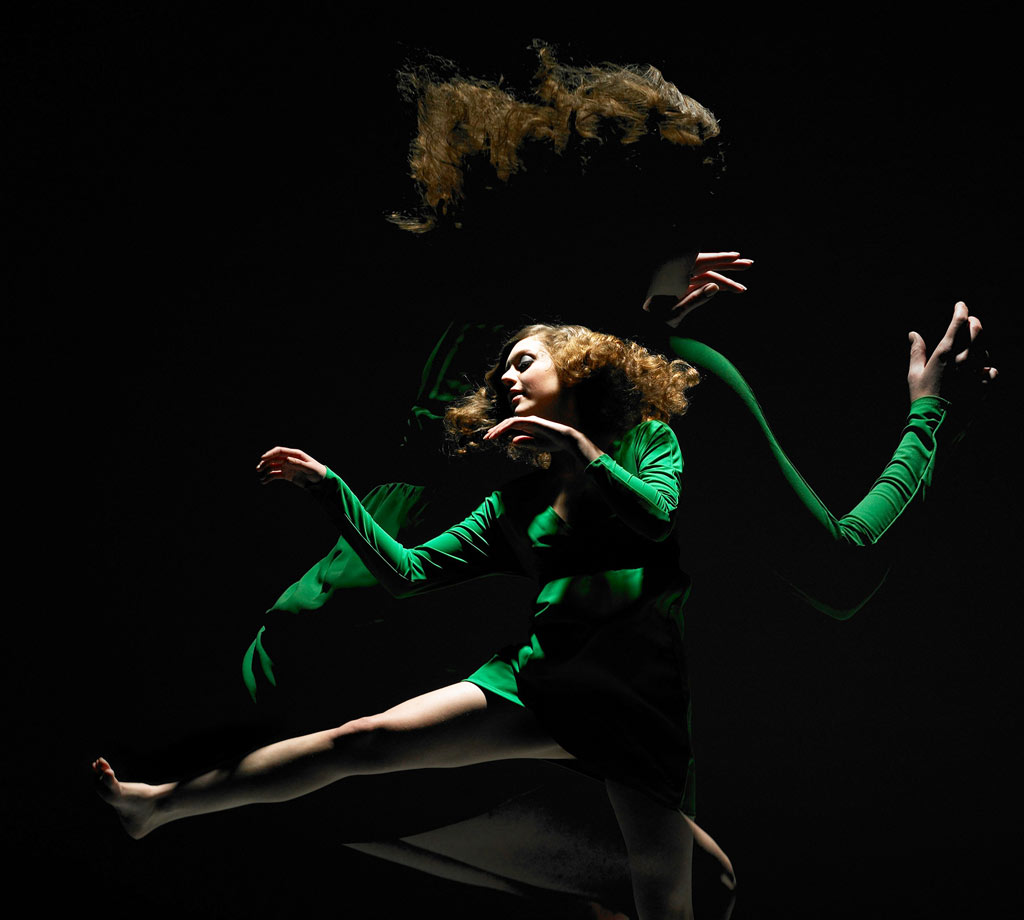
On my recent trip to Miami to visit family, I realized that dance is such a fundamental part of the Cuban culture in which I grew up, and I also realized how much I miss it! I left Miami twenty-five years ago, and I’ve slowly lost the strong urge to dance that was present for the greater part of my life. In addition to the ethnic dances, I danced classical ballet for many years. Movement to music was an integral part of who I was most days of the week. There is always a pretext for Cubans to dance, as is the case in most of the Caribbean. I also reminisced about my trip back to visit Cuba in 1995, where music and dance felt like a normal part of everyday life in the streets of Havana by day and night, in outdoor cafes, at parks, and on random street corners. This sense in Miami that I had reconnected with something I’d put on the back burner urged me to reflect on the power of dance and movement as tools for physical and emotional health, and even for transformation. I know from personal experience that dance makes a difference in how I move in the world, and that there may be something profoundly wise in the idea that you can dance your troubles away. You may not dissolve the troubles, but your relationship to them may indeed shift into a healthier space.
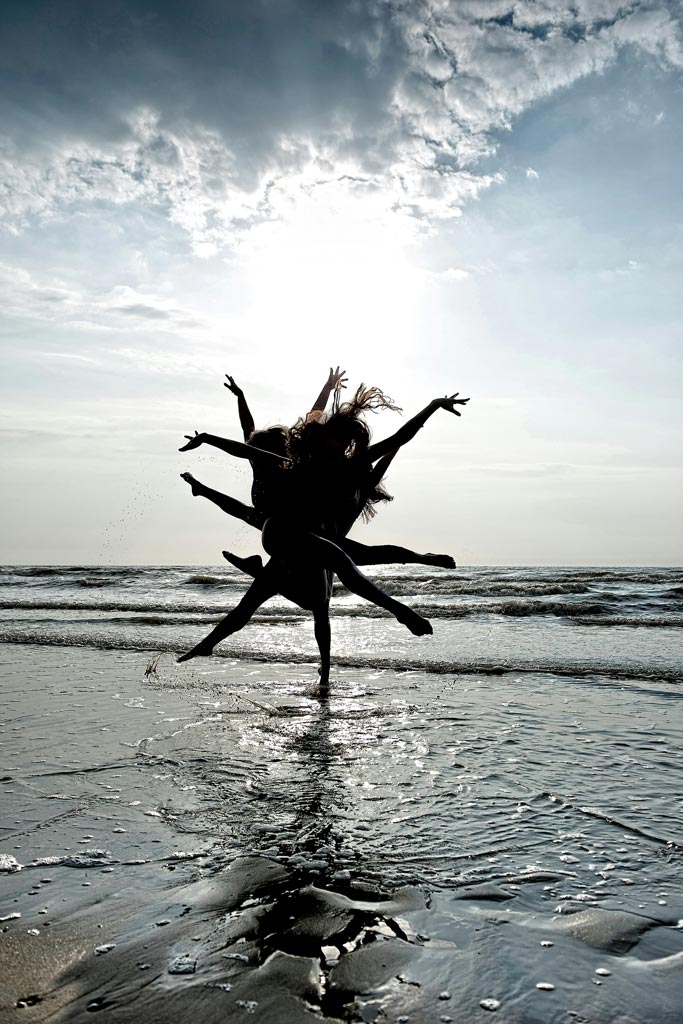
According to the American Dance Therapy Association, “Dance/movement therapy (DMT) is defined as the psychotherapeutic use of movement to promote emotional, social, cognitive, and physical integration of the individual, for the purpose of improving health and well-being.
It emerged as a field in the 1940s as early innovators, many of whom were accomplished dancers, began to realize the benefit of using dance and movement as a form of psychotherapy. It is a holistic approach to healing, based on the empirically supported assertion that mind, body, and spirit are inseparable and interconnected” (https://adta.memberclicks.net/what-is-dancemovement-therapy). DMT offers a wide range of physical, emotional, and psychological benefits by using movement as a form of expression and healing. It helps individuals connect their minds and bodies, promoting self-awareness and emotional release. Physically, it improves flexibility, coordination, and body strength while reducing stress and tension. Emotionally, DMT provides a safe, creative outlet for expressing feelings that might be difficult to put into words, which can enhance mood and self-esteem. It is also used therapeutically to support people coping with trauma, anxiety, depression, or chronic illness. Overall, dance/movement therapy fosters holistic well-being by integrating movement, emotion, and self-expression into the healing process.
One of the main principles of DMT is that movement expresses feelings, much like the alchemical principle of as inside as outside. Therefore, by changing or initiating movement, you can potentially change emotional states. I mention initiating movement because I have used DMT in my personal development workshops and have noticed that for some people, it can be very difficult to move at all. A freezing response can occur, especially if trauma is involved, and in such cases, initiating movement is indeed a breakthrough. From there, one can engage in a deeper exploration of movement as the person feels safer engaging their body. Thus, the importance of working with someone trained in processing negative emotions, especially shame, if these come up during a movement session. In my own practice of horse-assisted coaching, I have seen that asking a person to dance with a horse can create a uniquely safe space. The horse is non-judgmental and couldn’t care less how well you perform. In theory, it is the same with a therapist: DMT is not about performance but expression, but it may be easier for a person to trust a horse before they trust a human therapist. This dynamic can cut through inhibitions rather quickly and motivate the person to explore more openly, until an empowered self-expression begins to evolve.
I personally do this with my own horses on occasion, particularly when I feel emotionally stuck. I turn on the boom box in the round pen and improvise under their caring presence, many times integrating touch as I move along in whatever pattern possesses me. The horses are equally present with subtle classical music as with the powerful, raw beat of African drums -they are infinitely open to what is.
Dance and movement therapy is a creative and fun way to connect with the body and come into a relationship with the feelings it harbors. It’s like having a nonverbal conversation with the temple that houses our materiality, emotions, and spiritual vibrations. There is so much that can be revealed through movement, which can then be dealt with and healed. But we can also approach dance and movement without therapeutic ends in mind, simply as an occasional reset mechanism when we feel stuck or are dealing with an emotional state we can’t regulate with our go-to tools. For this, I avoid choreographed movement, such as dancing to my favorite salsa music. Instead, I improvise, with or without music. For me, this means starting to move without any pattern in mind, just letting whatever emerges take hold of me: wavy and slow, shaky and fast, undulating or jagged, or moving through all of these. My own being will discern whether it wants to move to music or to silence, for there is nothing to honor but my own expression. And if I am feeling sad or melancholy, I don’t avoid poignant music that will accentuate what I’m feeling. I find it helpful to lean into nostalgia and immerse myself in it, and the right music can accelerate the purging of emotions that are having a hard time being liberated from the body. I’m not one to make New Year’s resolutions, but as 2025 ends, I feel an awakened sense to dance 2026 in and to make dance a more constant presence in my life. I’m not planning to dance at a New Year’s party, but just to move under the stars to whatever tune arises as the frigid midnight air hits my cheeks with the promise of a wonderful new journey around the sun.
Photo by Getty Image and by Patrick Kool
By Dulce Garcia Morman, Ph.D.