
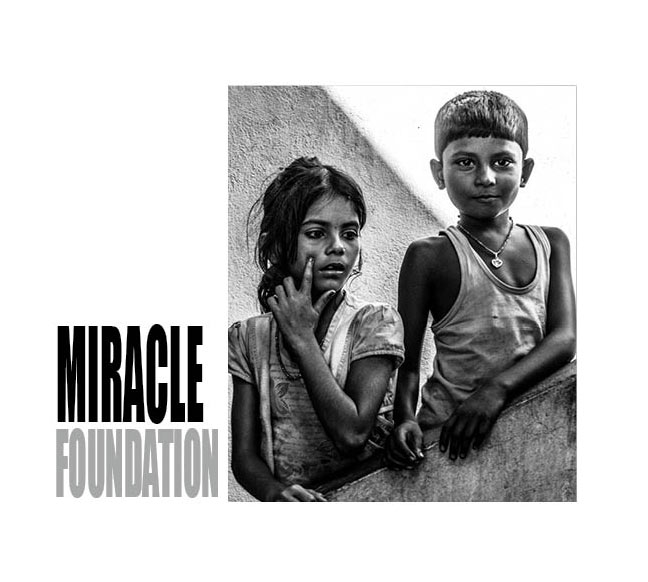
From Orphanages to Empowered Families: How Caroline Boudreaux and Miracle Foundation Are Transforming Child Welfare Around the World
For twenty-five years, Caroline Boudreaux, the inspiring founder of the Miracle Foundation, has dedicated her life to transforming the lives of children who are oppressed and vulnerable around the world.
What began as one woman’s mission of compassion has grown into a powerful global movement- ensuring that every child has the right to a safe, stable, and loving family. Through her visionary leadership and unwavering heart, Caroline has helped redefine what it means to care for children without parental support, shifting the focus from institutional care to family-based solutions that nurture dignity, hope, and a sense of belonging. As the Miracle Foundation celebrates its 25th anniversary. Carloine’s world continues to remind us that true miracles happen when love, purpose, and action unite for the good of humanity.
On a sweltering Mother’s Day in 2000, Caroline Boudreaux was halfway across the world from her home in Austin, Texas, when a single moment changed her life. Visiting a rural orphanage in India with a friend who sponsored a child there, she expected a cultural experience. Instead, she found dozens of malnourished children lying on bare concrete floors—without mattresses, comfort, or affection.
That encounter became the spark for Miracle Foundation—now celebrating 25 years of redefining child welfare. Caroline’s early mission was to improve orphanages by providing clean water, nutrition, medical care, and education. But as she spent more time in these facilities, she made a startling discovery: nearly 80% of children in orphanages worldwide have at least one living parent or close relative.
These children weren’t orphans—they were separated from their families because of poverty, displacement, or crisis. “I started asking myself: Why are we pouring resources into these institutions when the real problem is that families don’t have the support they need?” Caroline says. “What if we worked to make orphanages unnecessary?”
Shifting the Mission
That question transformed the organization’s purpose—from improving institutions to preventing the need for them altogether. Miracle Foundation began partnering with local governments and community organizations to reunite children with their families, strengthen struggling households, and ensure separation never has to occur.
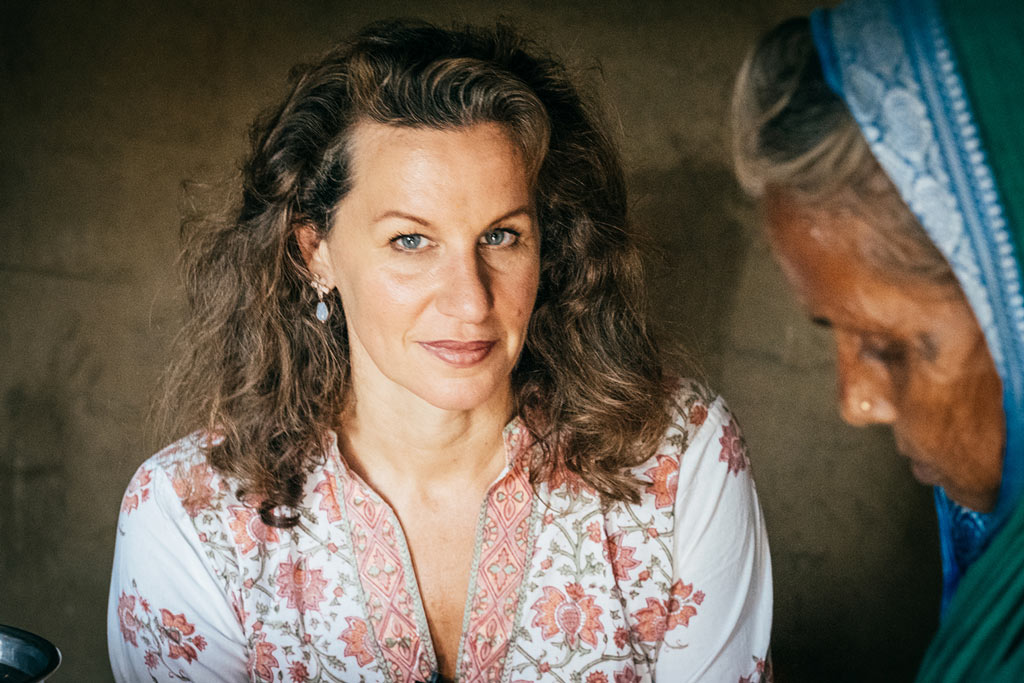
This wasn’t just a global problem. In the United States, many children enter foster care not because of abuse, but because their families lack resources. As the foundation expanded to the U.S., the strategy remained the same: invest in families, equip social workers, and prioritize prevention over placement.
“That changed everything for us,” Caroline says. “Why wait until children are placed in institutions when we can help prevent that separation in the first place?
Love Meets Logic
At the heart of this new era is an innovative use of technology. Miracle Foundation developed ThriveWell, a digital platform that tracks children’s well-being in five key areas: Family and Social Relationships, Household Economy, Living Conditions, Education, Health, and Mental Health.
The need for this tool is urgent. In the U.S., foster care caseworkers spend an average of 50% of their time on paperwork, leaving less time to focus on the children they serve. The administrative burden contributes to high turnover rates among caseworkers and can overwhelm foster families—sometimes leading them to stop fostering altogether. 30% to 50% of foster families discontinue fostering within their first year.* The result is a system where precious hours are spent managing forms instead of nurturing relationships.
ThriveWell changes that equation. By streamlining documentation and centralizing data, it drastically reduces the time spent on paperwork, giving caseworkers and foster parents more time to actually care for children.
“Technology allows us to scale love,” Caroline explains. “It gives caregivers, social workers, and child advocates real-time insights into how a child is doing—and where we need to step in.”
The platform has been transformative, especially in the U.S., where overburdened foster care systems often lack consistent, up-to-date case tracking. By integrating ThriveWell into child welfare programs, Miracle Foundation is helping social workers make faster, better-informed decisions—and ultimately improving outcomes for children.
Global Reach, Local Solutions
Miracle Foundation’s work spans three continents, but its approach is always rooted in local culture and systems. In India and Africa, the organization partners with NGOs and government agencies to move children out of institutional care and into safe, loving families. In the U.S., it focuses on strengthening foster care teams and supporting vulnerable households before a crisis happens.
Across the board, the goal is simple yet profound: ensure every child grows up in a stable, loving family. Decades of data and thousands of reunifications have proven that large-scale, systemic change is possible—and already happening.
Looking Ahead
As Miracle Foundation celebrates its 25th anniversary, Caroline’s vision for the future is bold. “I hope that 25 years from now, orphanages will exist only in history books,” she says. “We want to end the need for them globally and transform foster care systems so no child grows up without a family.”
It’s a mission rooted in both compassion and practicality. By addressing the root causes of family separation—poverty, lack of resources, and inadequate support systems—the Miracle Foundation is building a world where children not only survive but thrive.
How You Can Help
From providing job training for single parents, to offering wraparound services for families, to equipping foster care teams, every contribution fuels the same goal: keep children where they belong—at home.
To learn more about Miracle Foundation’s work or support their efforts,
visit www.miraclefoundation.org.
Caroline Boudreaux is a social entrepreneur and the Founder of Miracle Foundation.
Caroline was born and raised in Lake Charles, Louisiana, and attended Louisiana State University, where she earned a Bachelor of Science in Psychology. Before her nonprofit work, she had a successful career in media advertising.
For her achievements with Miracle Foundation, Caroline has received a variety of awards, including the Hope Award, the Impact Award, the Champions for Children Community Honoree Award, and the United Nations Humanitarian Award.
She is a popular speaker on topics of Reimagining Philanthropy, Social Impact vs Charity, and how to Engineer a Miracle.