Exclusive interview with Nic Patten for his upcoming film, Best of the World, premieres June 7 on National Geographic and begins streaming June 8 on Disney+ and Hulu
Nic Patten is an award-winning Creative Director and Executive Producer known for crafting compelling unscripted and documentary storytelling for global audiences. As the Creative Director behind National Geographic’s Best of the World with Antoni Porowski, Patten helps bring the acclaimed travel franchise to life on screen, blending immersive storytelling, cultural discovery, and cinematic adventure. The four-part series premieres June 7 on National Geographic and beings streaming June 8 on Disney+ and Hulu, following Antoni Porowski as he explores unforgettable destinations, hidden gems, and the people who make them extraordinary.
Best of the World explores destinations through a cinematic lens. What was the original creative vision behind the series, and how did you decide to blend travel storytelling with architectural spectacle?
The original creative vision was bringing the “Best of the World” franchise to life. It’s an incredibly well-known, popular, and celebrated brand for National Geographic. But bringing that to life with Antoni Porowski, and to do so in a really interesting, exciting, invitational way, was key. Also, the four cities in the series are, of course, already really well known; therefore, they’ve been filmed a lot before, and so we wanted to show those cities in a whole new light, in a way that you wouldn’t expect.
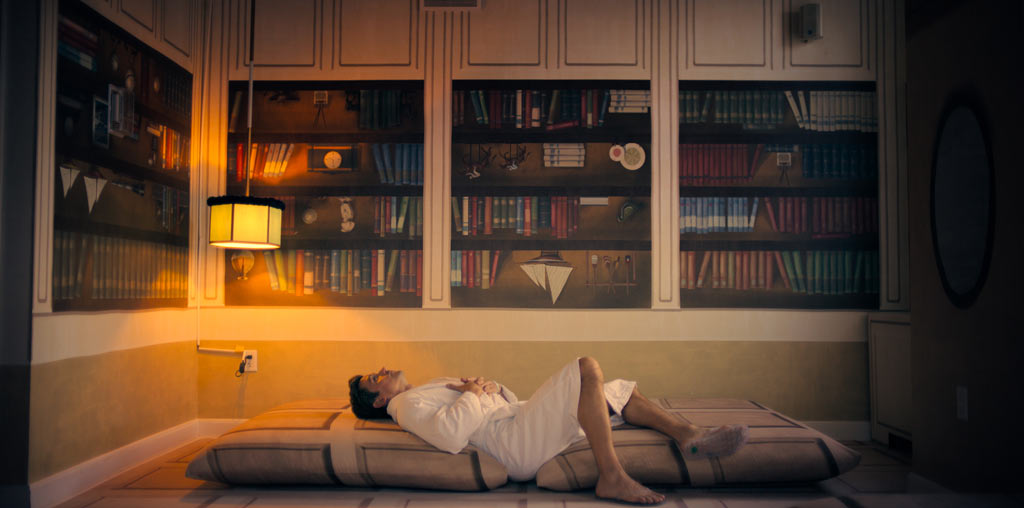
Many moments in the series highlight stunning architecture in almost a narrative way. How do you choose which architectural spaces become “characters” in the story, and what makes a structure visually and emotionally compelling on screen?
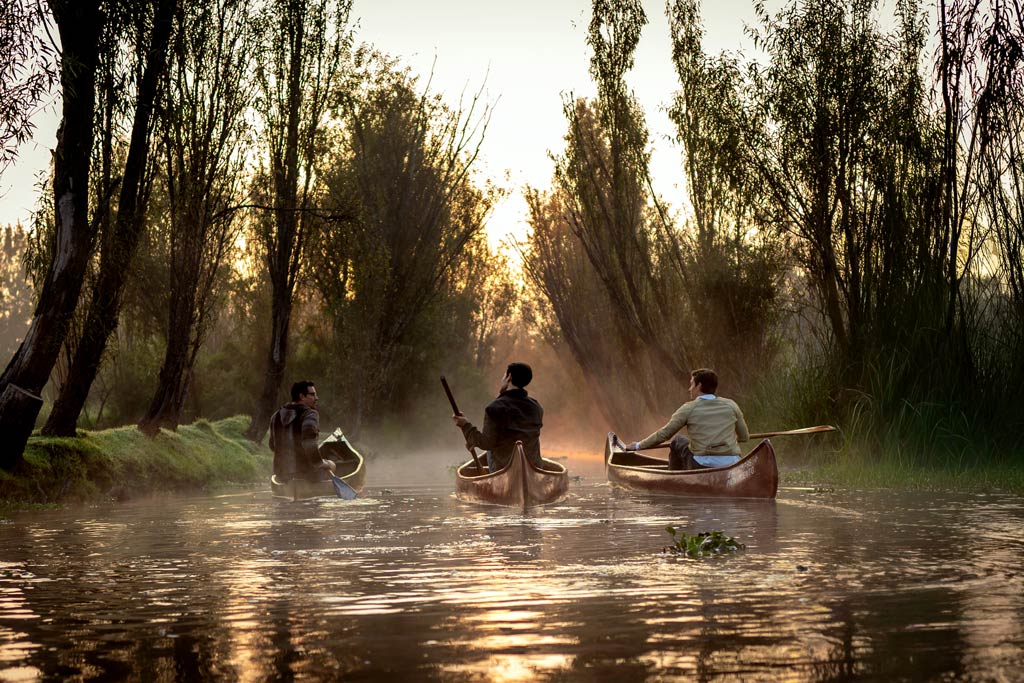
Like with all of the stories that we tell in the episode, they had to speak to something. They should speak to a wider story of the city. So, with Mexico, for example, that extraordinary snake-like building was just an incredible place geographically, because you’re within the confines of Mexico City, yet then you’re suddenly in this sort of lush landscape with this unbelievable apartment building that you could actually go and stay in, if you’re lucky enough to book it. All of the cities in this series offer these unique experiences. I think the bottom line was making sure that it spoke to something that, in a way, unlocked the depths of these cities.
The series uses drone technology to capture breathtaking perspectives. How has drone cinematography changed the way you approach visual storytelling, especially when showcasing large-scale landscapes and architecture?
Drone cinematography has enabled us to establish geography really easily, and in a way that’s recognizable to viewers instantly. So, drones add a cinematic scale, which, as we all know, is important in a National Geographic production. So drones have unlocked the geography of the city, which is sometimes a hard story to tell without reverting to graphics. With the ability to go above street level, drones allow you to get a texture of the city that you don’t easily capture otherwise. So drones become central to visual storytelling, especially with a show like this, in which you want to get a sense of different districts and different parts of cities. In addition to street level, where all feels connected, drones offer the sense that you’re actually moving around and sort of celebrating the different areas.
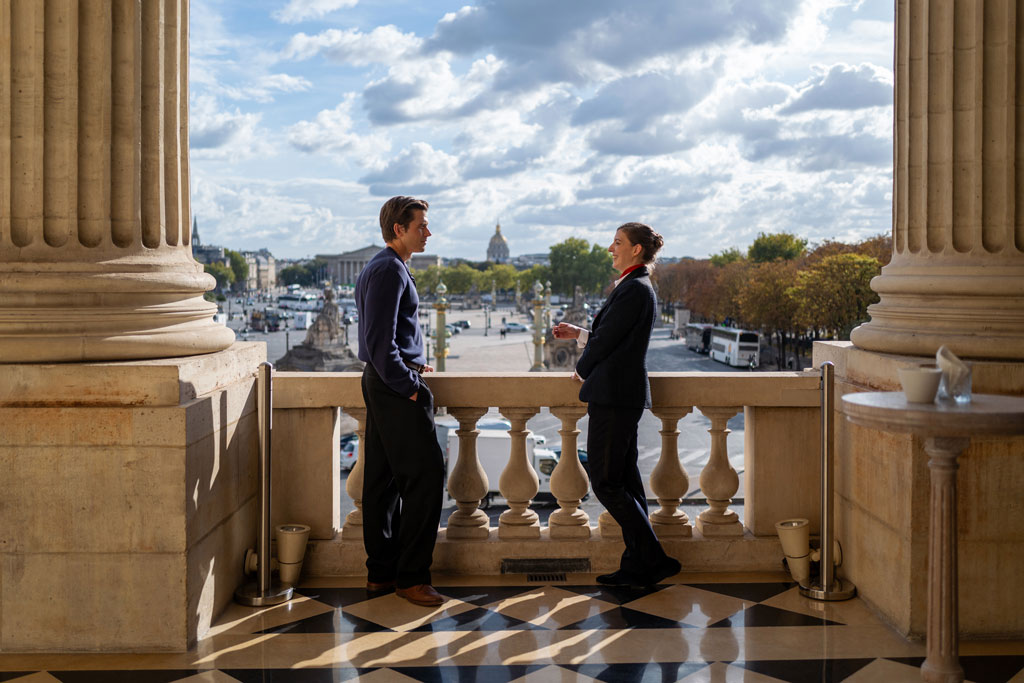
Beyond visuals, the series evokes emotion and cultural depth. How do you balance technical excellence in filming with creating an emotional connection for viewers experiencing these destinations from afar?
Simply put, we wanted this to be Antoni’s take on these cities. As he delivers historical accounts, he also brings passion, fun, and emotion, so this worked perfectly.
With evolving technology and global audiences, travel documentaries are changing rapidly.
Where do you see the future of travel storytelling heading, and how do you envision “Best of the World” influencing that evolution?
I think it continues to go to authentic storytelling, and I think “Best of the World” contributes to that, given that it was built from the ground up, from Antoni’s point of view and perspective. All of the pre-production was done in conjunction with Antoni. What we didn’t want this to be was a travelogue with a presenter who was sort of parachuted into different scenes. Also, what I hope the series does is, by the end of each episode, provide an itinerary you can follow yourself. And so, this is invitational in the sense that everything that Antoni does, a viewer can do. And I think, personally, in the future travelogues will succeed by including viewers, rather than excluding them. The fact that this series can result in a literal itinerary speaks to that.

While filming Best of The World, was there a destination, architectural masterpiece, or something that completely took your breath away and reminded you why storytelling through travel is so powerful?
It is architecture. Consider the cheese shop that we filmed in Paris. We knew it had a good pedigree and a cellar, but when we went down, we found it was built from the stones of Notre Dame! In and of itself, in quite a cellar-like way, it’s quite an extraordinary place to be, but no cheese shop has this kind of history. So that was a spectacular surprise… if you don’t mind the strong smell of cheese, that is.