
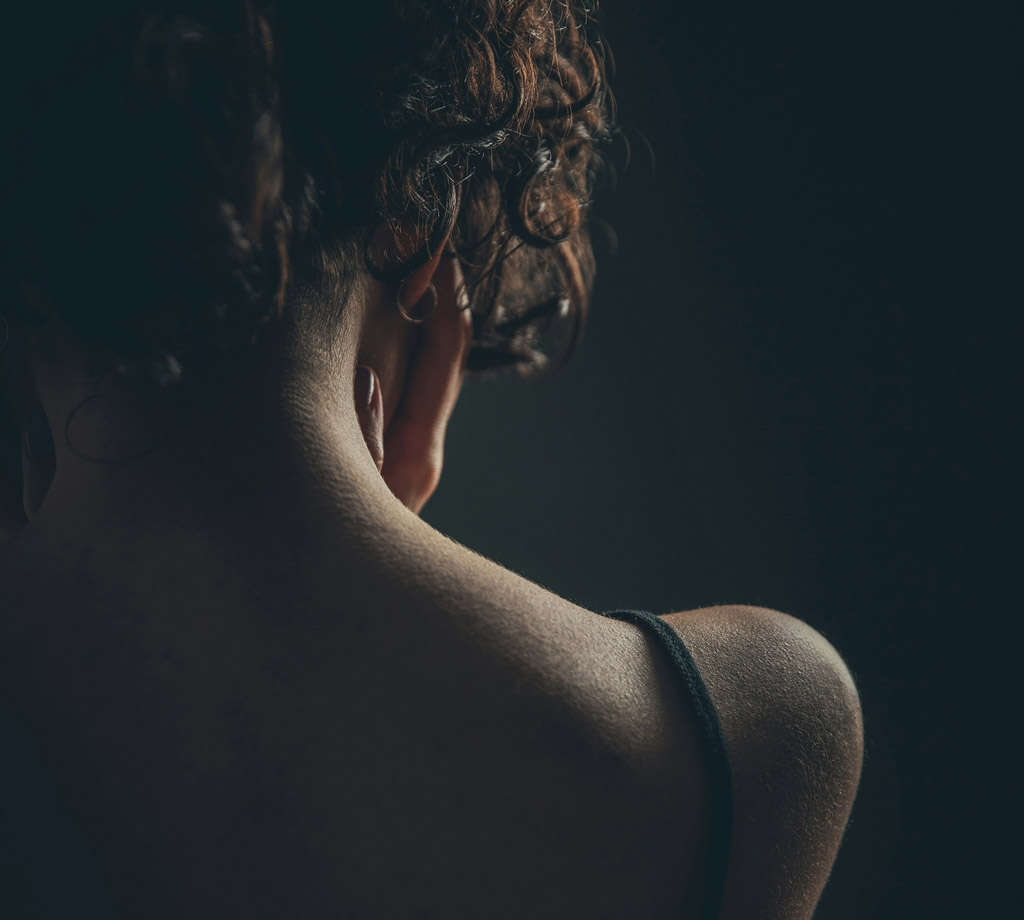
Did you get up on the wrong side of the bed? We often use that saying when we see someone in a bad mood. But sometimes, what looks like a bad mood may be something deeper. They may be hurting. They may be carrying pain that no one else can see.
And sadly, when people are hurting, sometimes they want someone else to hurt too.
Think about how much energy it takes to go to bed angry and wake up angry. If you ask me, they should be exhausted. Carrying anger, resentment, disappointment, and hurt takes a lot out of us.
Life is too short to carry hurt in your spirit. When we become consumed by our pain, we can miss all the wonderful things life has to offer, not because those beautiful things aren’t there, but because our hurt has become too heavy for us to see them.
Sadly, some people don’t even know why they are hurting. They have carried the pain for so long that it’s become part of how they live, how they respond, and sometimes how they treat other people. They may not realize how many years they have spent carrying something that was never meant to live inside them forever.
At some point, we have to ask ourselves, What am I really hurting about?
People come into our lives, and sometimes they leave. Love comes and goes. Relationships change. People change. Life changes. But we can’t let every disappointment, rejection, or loss take our peace away.
Instead, perhaps the hurt we feel inside can become an invitation to look deeper, release what we can, and begin finding peace again.
Healing doesn’t mean that what happened didn’t matter. It means we are choosing not to let what happened control the rest of our lives.
Maybe the first step is simply acknowledging the hurt.
What am I carrying? Why am I carrying it? And is it time to put it down?
Sometimes, recognizing our pain is where healing begins.
But we also have to ask ourselves: Are we holding on to something from childhood? Are we holding on to things we wanted to accomplish but somehow feel life has passed us by?
Well, let me stop you right there.
This is when the fight begins. Not a fight against another person, but a fight to reclaim your peace and take back control of your own life.
You cannot control another person’s pain, their feelings, or how they choose to respond to what they have experienced. Sometimes, people carry their hurt into their relationships and take it out on the people closest to them. They may be hurting so deeply that they don’t realize the pain they are causing someone else.
But remember this: someone else’s hurt does not have to become your hurt. You can have compassion for what someone is going through without allowing their pain to steal your peace.
I learned this lesson many years ago.
In 1998, I was attending night classes to earn my Certification in Clinical Pastoral Care. I remember my instructor approaching my desk one evening. He looked at me and said, “Wendy Jackson, you want to save everyone you see hurt. You can’t save everybody, and the universe doesn’t expect you to. It’s okay to help people out of the hole; don’t fall in it yourself.”
Those words stayed with me.
I have learned many lessons from that experience, and that one has served me well throughout the years. Sometimes we see someone hurting, and our first instinct is to reach in and help. Compassion is beautiful, but we also have to remember that helping someone doesn’t mean losing ourselves in their pain.
We can extend a hand without climbing into the hole with them.
Some people feel that showing a different side of themselves is their way of keeping others at bay. It becomes a wall that keeps people from getting too close. Perhaps they believe that if they never let anyone see the real them, they cannot be hurt again.
But protecting yourself from pain can also keep you from experiencing love, connection, joy, and the possibility of healing.
There comes a time when we have to decide whether to keep carrying the hurt or begin putting it down.
Healing starts when we become honest with ourselves about what we have been carrying. Our past may explain some of our pain, but it does not have to determine our future.
And sometimes, the most powerful thing we can say is:
The hurt may have happened to me, but the hurt does not have to define me.
We can choose peace.
We can choose to heal.
And we can choose not to pass our pain on to someone else.
Sometimes, recognizing our pain is where healing begins, and choosing what we do with it is where the healing path continues.
By Wendy L. Jackson
Photo by Nagar Mohamadian




Comments